Why Ontario Vehicles Need More Frequent Detailing
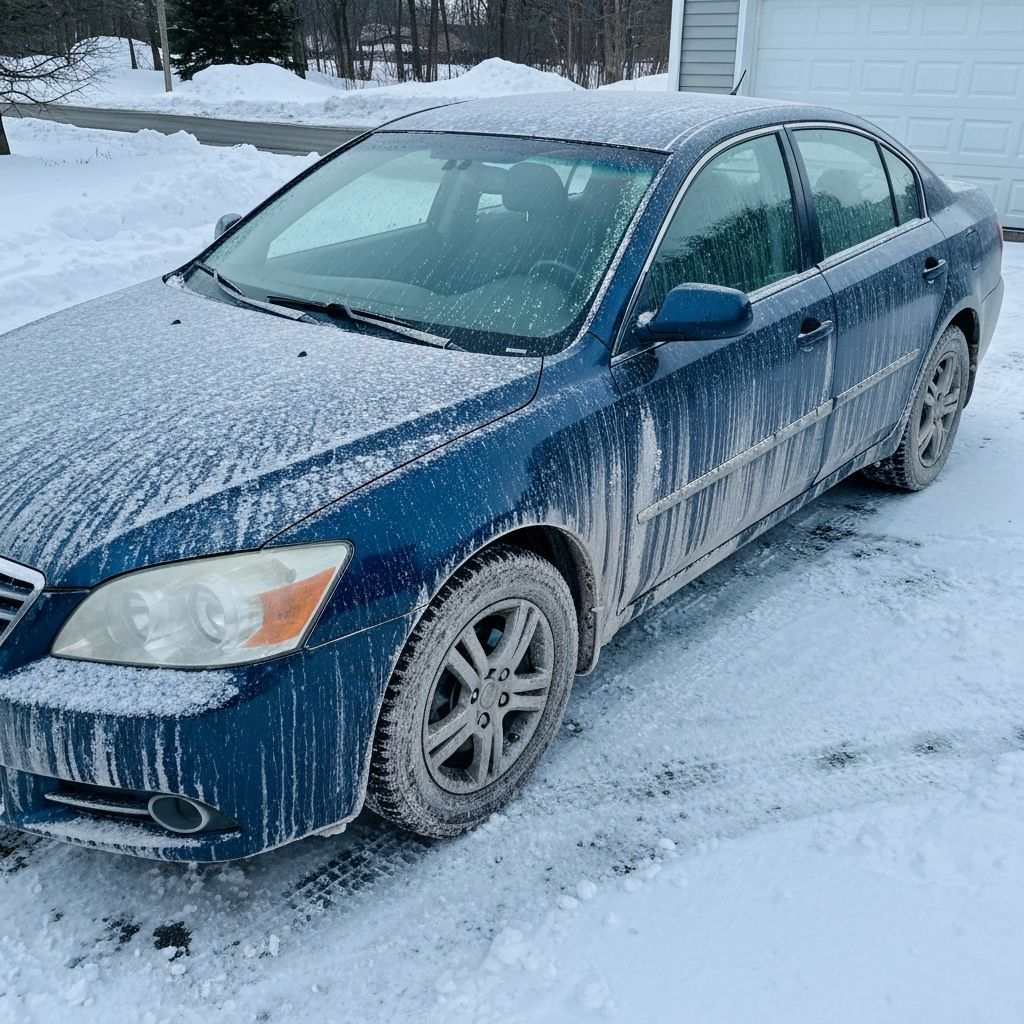
If you've lived in Ontario for any length of time, you know that our climate puts vehicles through the wringer. We're not talking about a simple dust problem or the occasional rain — we're dealing with road salt applied from October through April, UV radiation that fades paint and cracks interior plastics during summer, and constant freeze-thaw cycles that open microscopic gaps in paint and sealant layers. Ontario is genuinely one of the harshest environments in the world for automotive finishes.
This isn't just about aesthetics. A poorly maintained vehicle loses value faster, develops rust problems that become expensive repairs, and creates a less pleasant driving experience. The good news is that a smart detailing schedule — tailored to Ontario's seasons — keeps your vehicle protected without breaking the bank.
The Ontario Detailing Calendar: What We Recommend
Spring Detail: March to April (Essential)
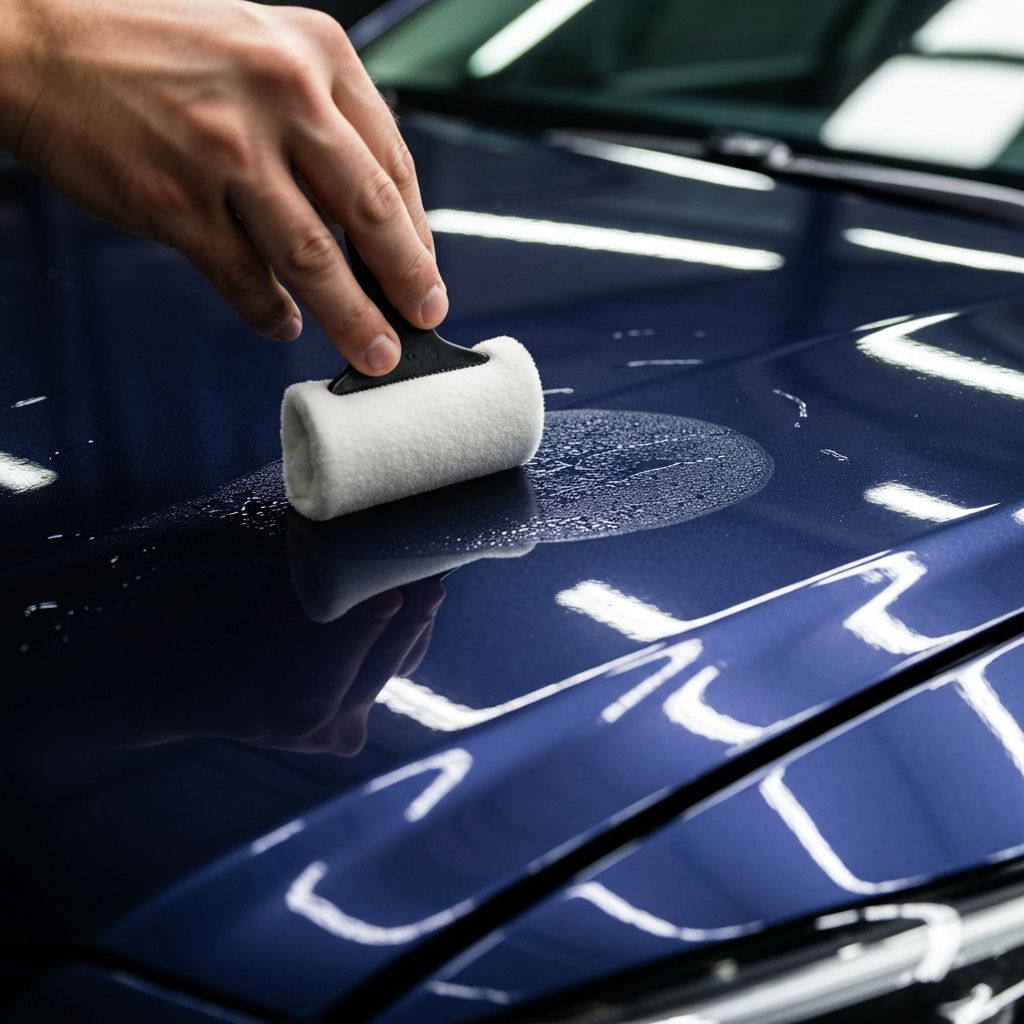
The most critical detail of the year for Ontario drivers is the spring cleanup. After five months of road salt accumulation, your vehicle is covered in corrosive deposits that are actively attacking your paint, undercarriage, and rubber seals. A proper spring detail includes thorough salt removal from the exterior and wheel wells, undercarriage flush, full interior deep clean (winter debris, salt that tracked in from boots, condensation moisture), clay bar decontamination, and fresh wax or sealant application to protect the newly cleaned paint through summer.
Skipping the spring detail — or just running through an automated car wash — leaves salt deposits embedded in crevices where they'll continue to corrode metal throughout the warmer months when you're not looking. This is how rust starts.
Summer Detail: June to August (Recommended)
During summer, the main threats shift from salt to UV radiation, bird droppings, tree sap, and road tar. Ontario summers can push UV index levels above 8 regularly, which fades paint and causes interior plastics to crack and fade over time. A mid-summer detail with UV-protective products on the interior and a fresh wax or sealant coat on the exterior keeps these threats at bay. If you notice bird droppings sitting on your paint for more than a few days, deal with them immediately — the acidic content can etch into clear coat within 48 to 72 hours, especially in summer heat.
Fall Detail: September to October (High Priority)
Before the salt trucks come out, the fall detail prepares your vehicle's defenses for the winter ahead. This is the time for a proper wax or sealant application, rubber seal conditioning to prevent cracking in cold temperatures, interior protection treatments, and attention to any chips or scratches in the paint that could become rust entry points over winter. Think of the fall detail as building your vehicle's winter armor.
Winter Maintenance: November to March (As Needed)
You don't need a full detail every month in winter, but regular rinses to remove heavy salt accumulation are important — especially after significant snowfall events when heavy salt application follows. If you have access to a heated garage and can bring a mobile detailer in, a mid-winter refresh is valuable. Otherwise, focus on thorough washes after major salt exposure and avoid automated brush car washes that can scratch salt-covered paint.
Monthly Plans: The Easiest Solution
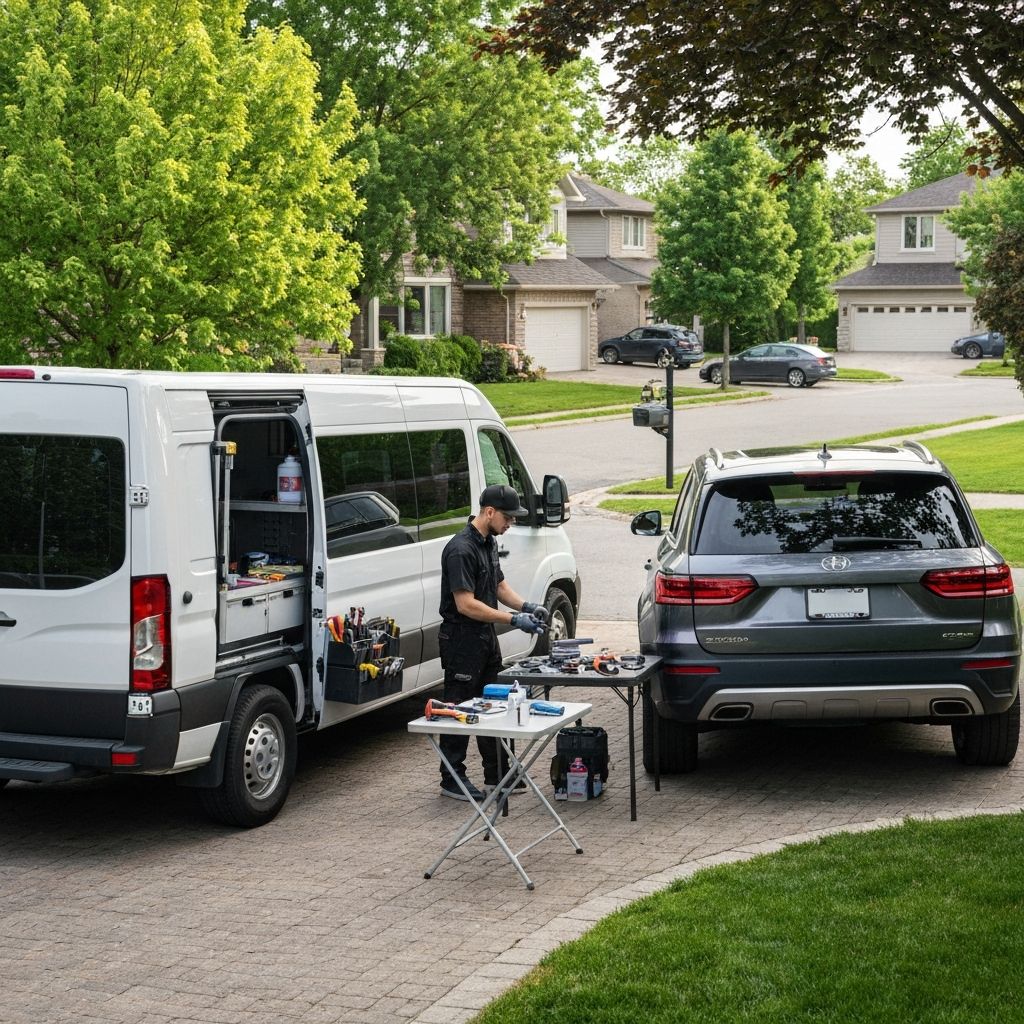
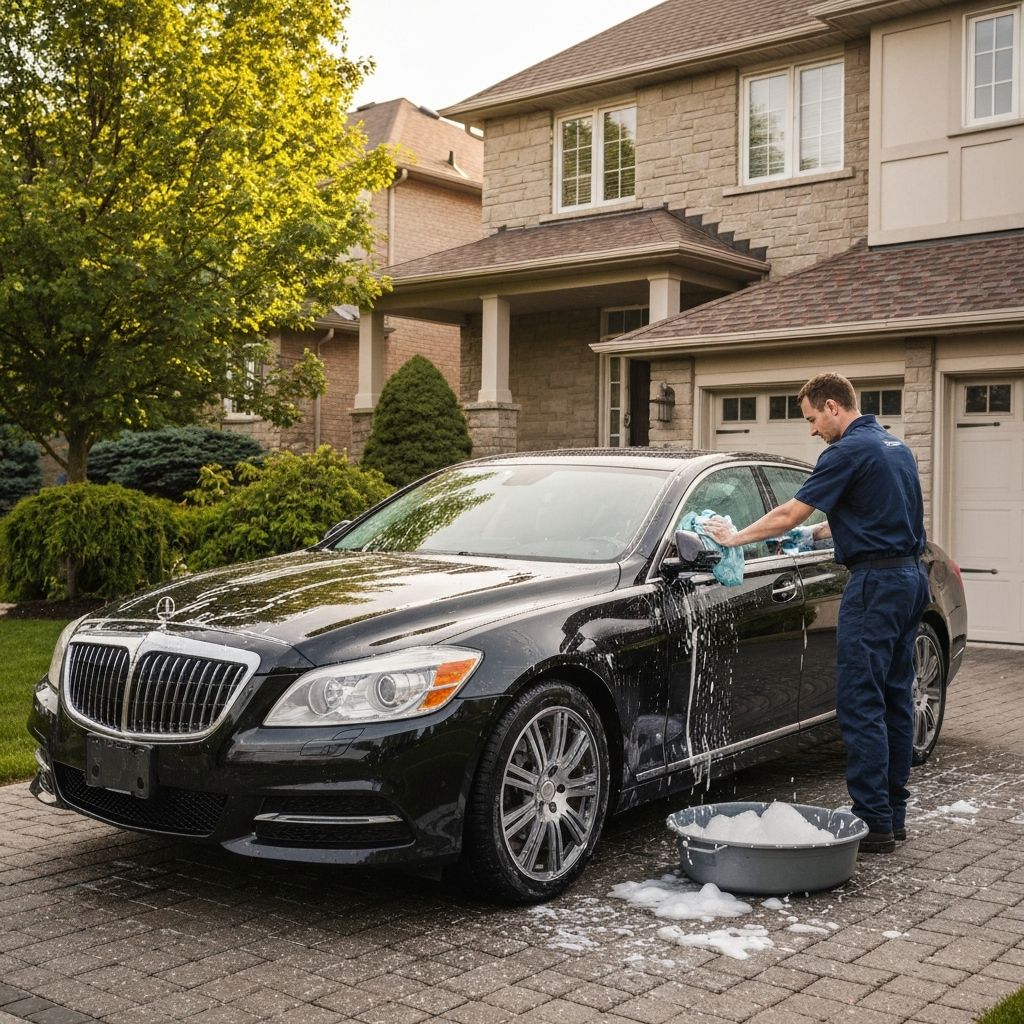
For Ontario drivers who want to take the guesswork out of their detailing schedule entirely, a monthly subscription plan is the most effective approach. With Seefi Auto Detailing's monthly plans starting at $120/month, you receive consistent professional care delivered to your driveway every month — with a team that tracks your vehicle's condition over time and adjusts the service accordingly. Monthly clients consistently report better paint condition, higher resale values, and lower lifetime detailing costs compared to sporadic once-a-year bookings.
The Cost of Not Detailing
Let's be honest about the financial equation. Ontario road salt causes an estimated hundreds of dollars in rust repair costs for vehicles that aren't properly protected and cleaned. Paint correction for oxidation caused by skipped UV protection can cost $200 to $600. Interior damage from neglect — cracked dashboards, stained seats, musty odours — reduces resale value by thousands of dollars. By comparison, a semi-annual professional detail at $140 to $180 each is an extremely cost-effective maintenance investment.
Quick Reference: Ontario Detailing Frequency
- Daily Driver, Ontario Winter: 4 times per year minimum (spring, mid-summer, fall, mid-winter)
- Garaged Vehicle / Low Mileage: 2 to 3 times per year
- Luxury or Exotic Vehicle: Monthly or bi-monthly
- Pre-Sale Preparation: One thorough full detail before listing
- Fleet Vehicles / Rideshare: Monthly interior minimum
The bottom line: Ontario's climate demands more frequent professional car care than most other Canadian provinces. Two to four details per year, aligned with our seasons, is the sweet spot for protecting your vehicle's condition and value. If you're only doing one, make it the spring cleanup — it's the most important detail of the year for any Ontario vehicle.