Why Ontario Leather Needs Special Attention
Ontario's climate is particularly harsh on leather car interiors. Winter months bring indoor heating (which dries leather dramatically), freezing temperatures (which can cause cracking), and salt-laden moisture tracked in from boots. Summer brings intense UV exposure through windows, high heat inside parked vehicles, and humidity fluctuations. Leather that isn't properly maintained deteriorates faster in Ontario than in many other climates.
The Leather Care Routine
Monthly Cleaning
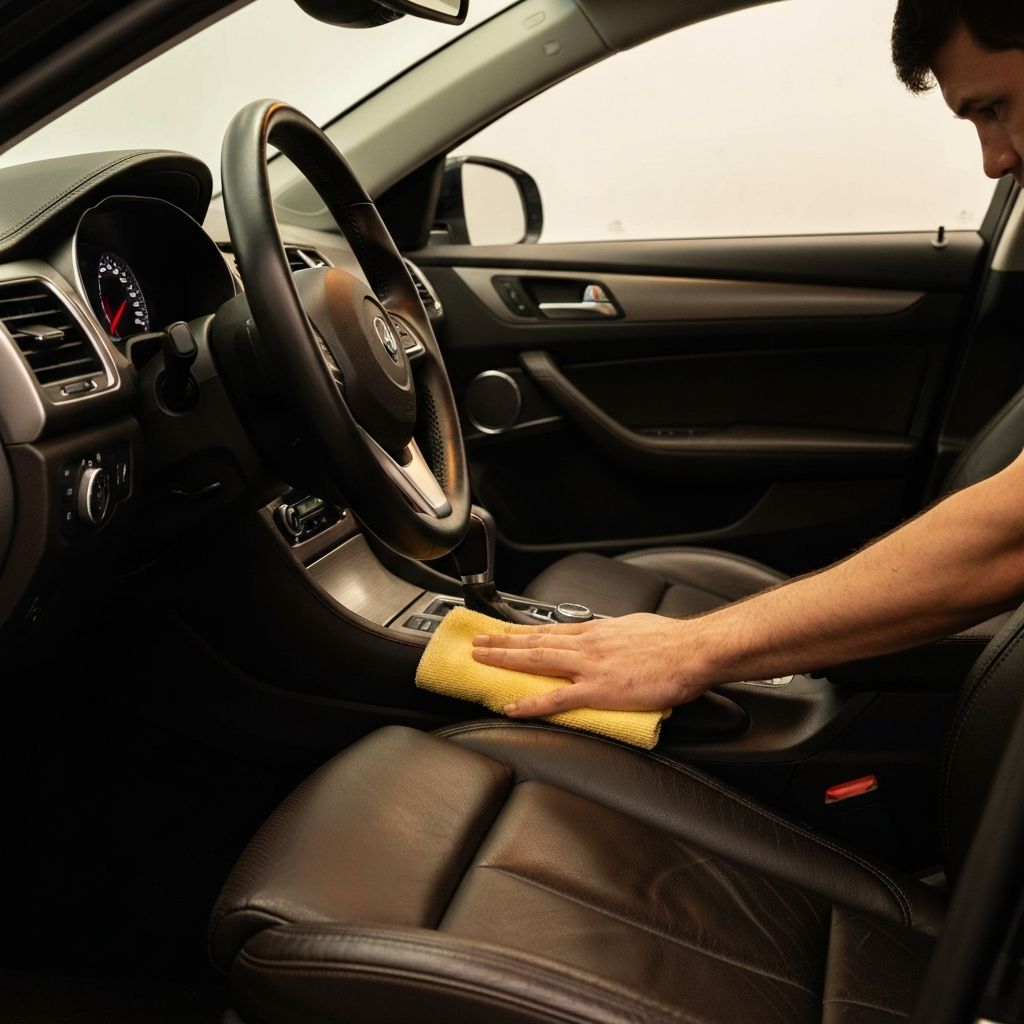
Clean leather seats monthly with a leather-specific cleaner (not general upholstery cleaner). Use a soft brush or cloth to gently agitate, then wipe clean. This removes surface contaminants that accumulate: dust, body oils, food residue, salt tracking.
Quarterly Deep Cleaning
Every 3 months, use a leather deep-cleaning product or have a professional perform leather extraction cleaning. This removes embedded dirt and moisture from the leather pores.
Bi-Annual Conditioning
Every 6 months (spring and fall are ideal), apply a leather conditioner designed specifically for automotive leather. This restores moisture to the leather surface and prevents cracking. Use products specifically formulated for car interiors — furniture leather products have different properties.
Seasonal Considerations for Ontario
Winter (November-March)
Increase conditioning frequency to every 3-4 months in winter — indoor heating and cold temperatures accelerate moisture loss from leather. Wipe down leather regularly with a damp microfiber cloth to remove salt residue tracked in from boots. Consider seat covers during extreme winter weather if you're parking outdoors in salty conditions.
Summer (June-August)
UV protection is critical. Use car window shades or park in shade when possible. Some leather conditioners include UV inhibitors — prioritize these in summer. Avoid leaving the vehicle parked in direct sun for extended periods, as heat accelerates leather deterioration.
What to Avoid
Don't Use
- General upholstery or carpet cleaners on leather (they can damage the finish)
- Silicone-based products designed for plastic trim (they make leather slippery and can cause discoloration)
- Abrasive brushes or rough cloths (they scratch leather)
- Excessive heat from direct sun without protection
If Damage Occurs
Minor scuffs often buff out with appropriate leather conditioner or light polishing. Cracks, tears, and severe damage may require professional leather repair — seats can sometimes be recolored or patched by specialists. Severe damage affecting structural integrity of seats may require reupholstering.
At Seefi Auto Detailing, our interior detail package includes professional leather cleaning and conditioning. For vehicles with high-end leather interiors, we recommend quarterly professional maintenance to keep leather in pristine condition throughout Ontario's challenging climate.