What Paint Protection Film Actually Is
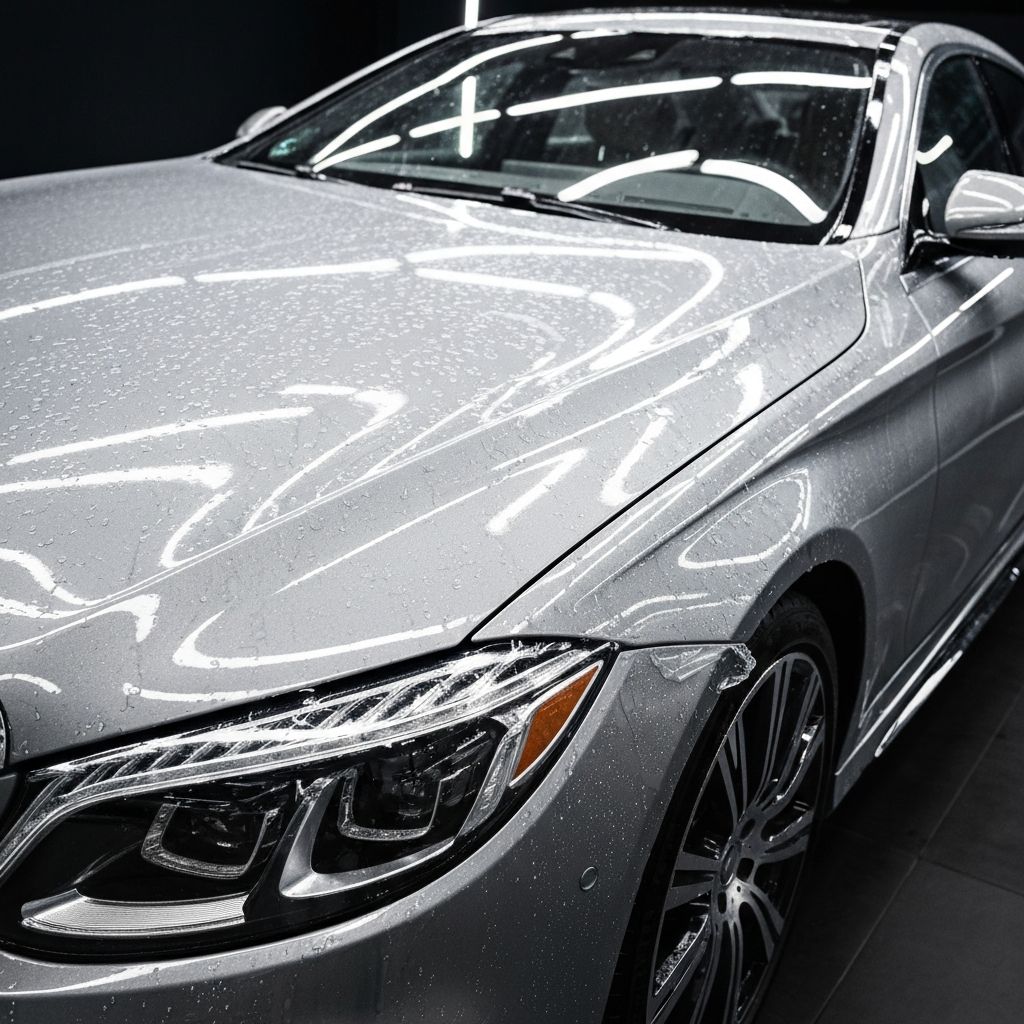
Paint protection film (PPF), also called clear bra or protective film, is a transparent polyurethane film that's applied over your vehicle's paint surface — typically the hood, front fenders, front bumper, mirrors, and sometimes the entire vehicle. The film acts as a sacrificial barrier against rock chips, stone damage, bug impacts, tar, road grime, and UV exposure. It's self-healing (minor scratches disappear on their own with heat) and has a lifespan of 5 to 10 years before it needs replacement.
The Cost-Benefit Analysis for Ontario Vehicles
The Investment
Professional PPF installation costs $800 to $1,500 for high-exposure areas (hood, fenders, bumper) on a sedan, and $1,500 to $3,000 for full-vehicle coverage. Premium brands like XPEL Ultimate Plus or 3M Scotchgard Pro cost more than basic brands.
What It Protects Against
- Rock Chips: The primary damage on Ontario highways, especially in spring and summer when road construction and gravel debris are high. PPF completely prevents paint damage from rocks that would otherwise require $200 to $500 in paint correction and touch-up.
- Bug Splatter: Acidic insect remains etch into clear coat over time. PPF prevents this.
- Tar and Road Grime: PPF can be pressure washed and cleaned without concern about damaging underlying paint.
- UV Exposure: The film itself has UV inhibitors, adding an extra layer of protection against paint fade and oxidation.
- What It Doesn't Protect Against: Hail, severe impacts, deliberate scratches, or long-term UV fade on the film itself (though the paint underneath stays protected).
Is PPF Worth It? The Honest Assessment
When It Definitely Makes Sense
For new or nearly-new vehicles, high-end luxury vehicles, vehicles with rare or expensive-to-match paint, or daily highway commuters, PPF is usually worth the investment. The protection of pristine paint and the dramatic reduction in paint correction needs over 5 years usually justifies the cost.
When It's Probably Not Worth It
For older vehicles (7+ years), vehicles with existing paint defects, vehicles with basic paint colors (easier and cheaper to repair), or vehicles that see primarily city driving, the PPF investment might not provide compelling financial value. A regular detailing program with ceramic coating and protective wax might be more cost-effective.
The Ontario-Specific Factor
Ontario's climate makes PPF more valuable than in many other regions. Our springs and summers bring heavy road construction, gravel highways, and intense UV exposure. Highway commutes on the 401, the QEW, and similar corridors involve significant exposure to rock chips. If you commute highways regularly, PPF on at least the hood and front bumper is worth serious consideration.
At Seefi Auto Detailing, we recommend a complementary approach: PPF for high-impact areas, ceramic coating for the rest of the vehicle, and regular detailing for maintenance. This combination provides comprehensive protection within a more reasonable budget than full-vehicle PPF.