What's Actually Living in Your Seats
Fabric car seats are surprisingly effective at absorbing and trapping contaminants. Over years of use, they accumulate: body oils and sweat (every time you sit), food and drink spills (even small ones you've forgotten), dirt and dust from clothes and shoes, pollen and allergens from open windows, bacteria and microorganisms (from all of the above), and odor-causing compounds embedded deep in the foam padding.
Why Vacuuming Isn't Enough
Standard vacuuming only removes loose surface debris. It can't reach embedded contaminants trapped in the fabric weave or absorbed into the foam padding beneath. That's why a vacuumed seat can still smell musty or show stains — the problem isn't on the surface, it's inside the material.
How Professional Extraction Works
The Process
- Pre-treatment: Cleaning solution is applied to break down embedded dirt and oils
- Agitation: Soft brushes work the solution into the fabric weave
- Dwell time: Solution is allowed to dissolve contaminants
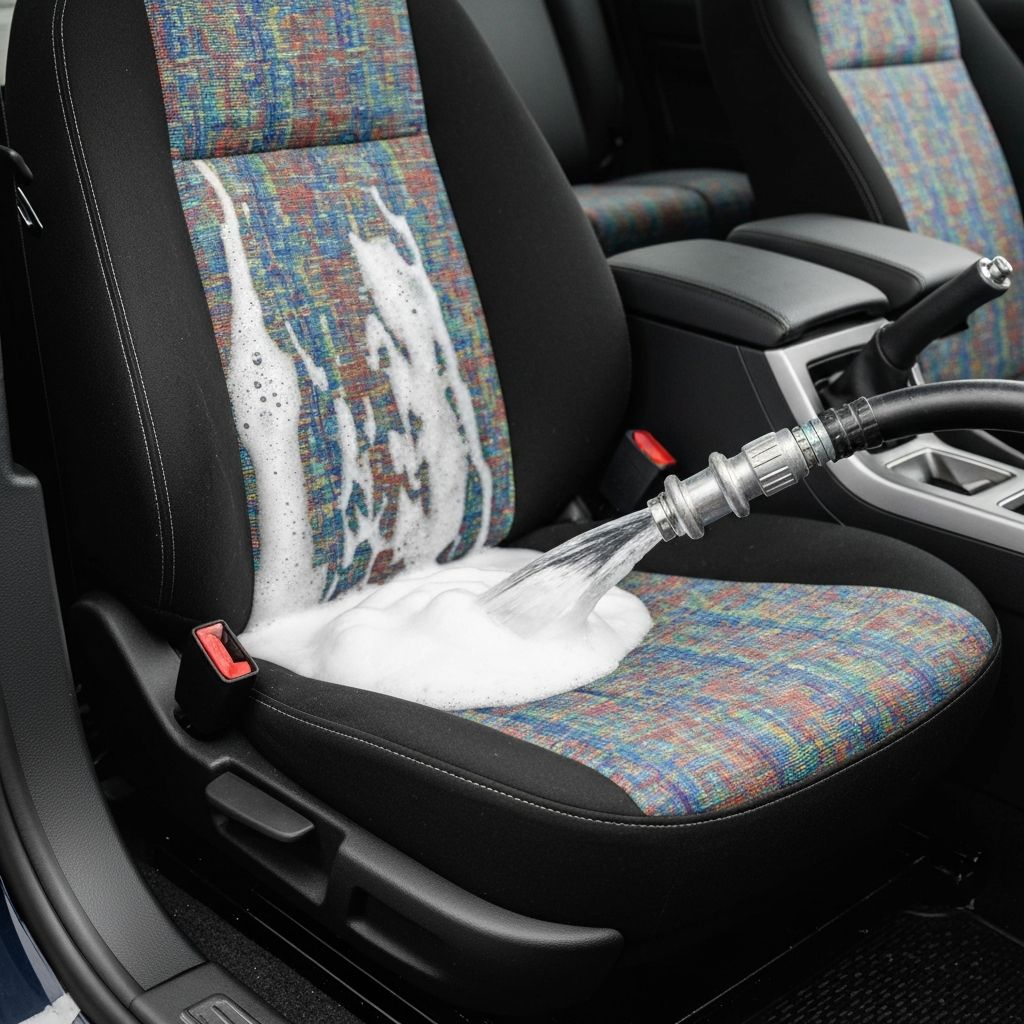
- Hot water extraction: Heated water is injected and immediately extracted, pulling dissolved contaminants out of the fabric and foam
- Drying: Fans and proper ventilation remove remaining moisture
What Comes Out
The extraction water from a "clean-looking" seat is often shockingly dark. Years of accumulated contamination that vacuuming and spot cleaning couldn't touch comes out during professional extraction. The difference in smell, appearance, and feel is immediate and dramatic.
How Often Should Seats Be Extracted?
For daily drivers, we recommend professional seat extraction once or twice per year. Vehicles with heavy use (kids, pets, rideshare) benefit from quarterly extraction. New vehicles can wait longer, but establishing a regular schedule prevents permanent staining and odor issues.
At Seefi Auto Detailing, professional seat extraction is included in our interior detail packages. We use truck-mounted or professional-grade portable extraction equipment that delivers genuine deep cleaning.